


28 July
8 min. read
Съдържание:

Carbohydrates have gained a very bad reputation over the past few years - low-carbohydrate and ketogenic diets are more widespread than ever before. In fact, the human organism cannot survive without protein and fat intake, but can survive without carbohydrates. But is it necessary to completely eliminate this macronutrient from your menu?
Not really. Carbohydrates are essential for the functioning of the musculature, the brain and the central nervous system, playing an important role in the regulation of hunger hormones. Once swallowed, they are converted into glucose, then burned for energy or stored as a glycogen in the muscles (up to 400 grams or 1600 kcal) and the liver (up to 100 grams or 400 kcal).
Their ability to quickly break down and release energy equally well with sufficient access to oxygen (aerobic mode) and in conditions of difficult oxygen consumption (anaerobic mode) makes them particularly necessary in any kind of physical exercise. The claim that fat is a more efficient source of energy than carbohydrates is false. Fats are just a more concentrated energy source - 9 kcal/g vs. 4 kcal/g in carbohydrates.
Classification of Carbohydrates
Depending on their chemical structure, carbohydrates are divided in two large groups: monosaccharides and oligosaccharides. The “simpler” the structure of a carbohydrate is, the fast the small intestine reabsorbs it. On the other hand, the more complex a carbohydrate is, the slower the process of digestion and absorption is. The rate of absorption is important, because the faster this process is, the faster the blood sugar and insulin levels rise.
Sugars (Monosaccharides)
Also called sugars, monosaccharides are absorbed directly by the human body and don’t require any enzyme interference. The most common types are:
Glucose (grape sugar), the main source of energy for the body in times of physical effort. Once it enters the digestive tract, it doesn’t break down but is rapidly absorbed through the walls of the small intestine and into the blood. If it’s taken in quantities above the tolerable blood glucose threshold, the kidneys begin ejecting it with the urine. It is naturally found in almost all high-carbohydrate foods, but mostly in fruits. It is also artificially produced from starchy foods (corn, wheat and rice) through a process called enzymatic hydrolysis.
Galactose, along with glucose, is a constituent of lactose. In addition, it is a constituent of cerebrosides - substances involved in the construction of nerve tissue. It is found in sugar beet and dairy products.
Fructose (fruit sugar). It doesn’t restore the exhausted muscle glycogen but has the ability to restore liver glycogen. Fructose is naturally present in the nectar of the flowers (honey) and the fruit juice. In larger quantities (over 10% of the daily caloric intake), it overwhelms the liver, which transforms it into fat. Excessive fructose can disturb the balance of the intestinal flora, leading to overgrowth of pathogenic bacteria. Try to limit yourself to 30 grams of fructose a day - about three to four medium-sized fruits.
Oligosaccharides
The second large group of carbohydrates - the oligosaccharides – includes disaccharides and polysaccharides. Disaccharides, along with the monosaccharides form the simple carbohydrates group. The disaccharide is made of two interconnected monosaccharides, creating one of the following sugars:
Lactose (milk sugar), consisting of one molecule of glucose and one molecule of galactose. It is contained in large quantities in milk and dairy products. The intestinal tract degrades it with the participation of a specific enzyme - lactase.
Note: Most people can’t produce lactase. If you experience discomfort (swelling, gases or cramps) after eating dairy products, consult a specialist - it is advisable to limit their intake.
Sucrose (plain sugar), composed of one molecule of glucose and one molecule of fructose. Sucrose is the best known and most used of all sugars. It is contained in large quantities in sugar cane - up to 20%, in beet - up to 27%, and in other plants. Refined white sugar plays a huge role in global obesity – my advice is to stay as far away from it as possible. Almost every packed food you can think of contains it.
Maltose (malt sugar) contains two molecules of glucose, you can’t find it naturally in the wild. It is a product of hydrolytic degradation with the participation of specific polysaccharide enzymes - starch and glycogen. In the human body, maltose is obtained from starch, mainly from cereals - rice, wheat, corn.
Excessive use of mono- and disaccharides can easily lead to the accumulation of fatty tissue. Because of their simple molecular structure, sugars such as fructose and sucrose are quickly absorbed from the intestinal tract and rapidly increase blood sugar levels. In response, the pancreas secretes insulin, which separate glucose from the blood and sends it in the cells where it is stored or used for energy. Insulin quickly "clears" glucose from the blood, leading to a drop - called hypoglycemia. Symptoms of low blood sugar are familiar to everyone - lethargy, trembling, powerlessness, frequent mood swings, starvation for sweet foods. In addition, simple sugars are not filling, which means you will feel even hungrier after eating them. To avoid these unpleasant consequences, consume sugars in combination with complex carbohydrates – this way fluctuations in blood sugar and insulin secretion won’t be so abrupt.
Complex Carbs (Polysaccharides)
Polysaccharides occur in nature in a variety of forms. They are formed when thousands of monosaccharides bind together in long chains. Complex carbohydrates provide stable levels of energy for a longer time without dramatic fluctuations in blood sugar, as with sugars. Most polysaccharides contain fiber that further slows absorption. Most important are starch, glycogen and cellulose.
Starch. In plants, starch is the equivalent of glycogen in humans – a way of storing energy. It is broken down into glucose by the amylase enzyme (salivary and pancreatic). Out of the plant foods, the richest in starch are white and brown rice (up to 80%), wheat (around 75%), corn (about 70%), and potatoes. Although they are relatively poor in starch (15-20%), potatoes are the cheapest source for its industrial yielding. Starch is also contained in oats, peas and legumes, sweet potatoes, quinoa, buckwheat, etc.
Cellulose plays a structural role in plants and is an important energy source for herbivores, but humans can’t really digest it. Its degradation occurs mainly in the large intestine under the influence of ferments released from the intestinal microorganisms found in the intestinal flora. The biological significance of the cellulose for the human organism is its ability to irritate the nerve endings of the intestinal epithelium, thereby enhancing the peristalsis of the small intestine and creating favorable conditions for the elimination of unused, unnecessary substances from the body. It is contained in various quantities in all vegetables and fruits.
Glycogen. Storing polysaccharide in animals and humans. It is contained in the liver (2-10% of its weight) and muscle tissue (0.2 to 2% of its total mass). Glycogen is an extremely important source of energy for high intensity activities. It is known that the greater the fatigue after physical exercise, the more it reduces the amount of glycogen in the liver and muscles. When it degrading it both in the gastrointestinal tract and in the muscles and the liver, we produce glucose. Thanks to the mixed diet, people also obtain small quantities of glycogen through the meat products.
Natural vs. Processed Carbs
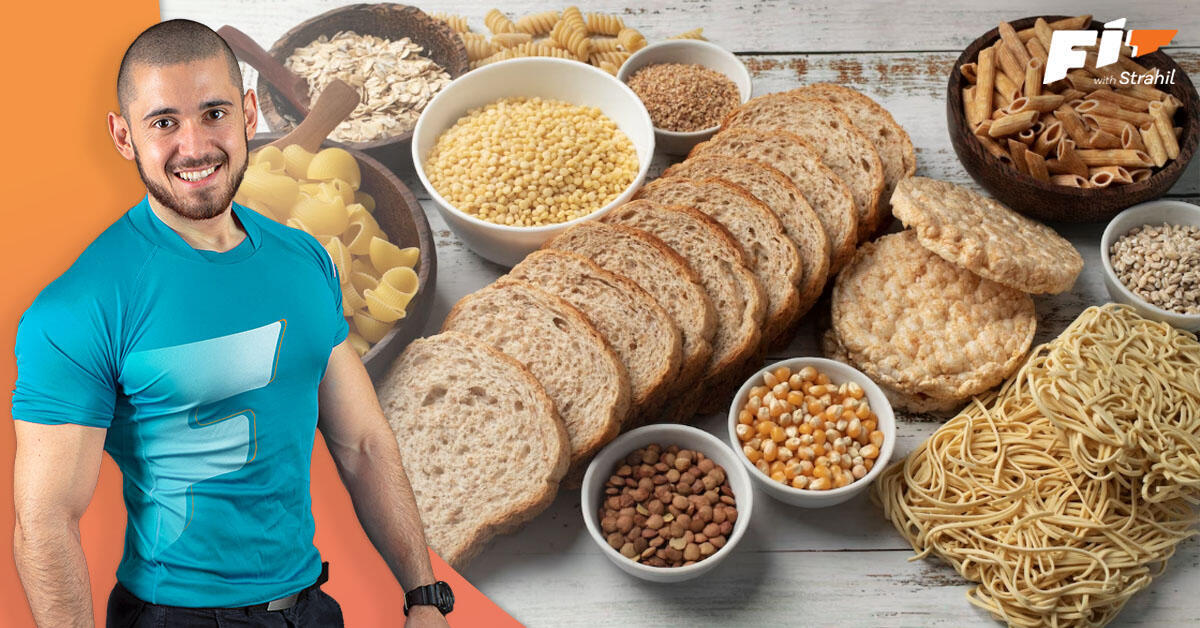
This is the most important classification that we will talk about in this article. Natural carbohydrates are foods that are in their natural form and contain all naturally synthesized nutrients valuable to the body.
Refined carbohydrates are, in one form or another, a subject to industrial processing. The more a natural complex carbohydrate (such as wheat grains) is subjected to refining and processing, the more it acquires the properties of a simple carbohydrate (quickly lowers blood sugar levels). Some refined carbohydrates are proven to contain health-hazardous chemicals that have an adverse effect on insulin levels, causing metabolic disturbances.
Refined carbohydrates do not contain the necessary nutrients that are so important to your health - although they are rich in calories, their value, from a purely nutritional point of view, is extremely low. Classic examples of refined carbohydrates are white flour, white sugar, pasta, breakfast cereals, cakes and pastries, candies, biscuits, carbonated soft drinks, beer and many others. White sugar, for example, is 99% empty calories - no vitamins, no minerals, no amino acids.
It is extremely difficult to eliminate the consumption of refined sugar. Fortunately, it is not necessary. How strict you are, depends on you. If you succeed in keeping your desired calorie intake, you don’t have to completely deprive yourself of your favorite sweet temptations – 1 or 2 times a week is acceptable. If you regularly drink carbonated beverages, you can start improving your eating habits from here. If you want to look and be healthy, you should be interested not only in the quantity but also in the quality of the food.
Recommended Daily Intake
If your results begin to suffer, the first correction you can make to overcome the stagnation is to reduce your carbohydrate intake. That's why I always tell client who are keeping diet for the first time not to start dieting directly with low-carb diets because they're playing their trump cards right from the start.
Initially, weight loss will always be relatively easy. That's why it's totally unnecessary to go on crazy diets in order to speed thing up. A prudent approach is to keep your trump cards for later, when you need to break a plateau.
But let's answer the main question: How many carbohydrates to start with? The answer is simple: the maximum possible amount that will allow you to burn fat. This will make you feel better and you will get enough energy for training. Percentage for some people will be 25% of the total calorie intake and 40% to 50% for others. The assessment is yours - carbohydrates are one of the variables you need to experiment with.


